
 CRG INTERNATIONAL PhD PROGRAMME 2027 - CALL
Apply for a PhD @ CRG
| Eligibility criteria | How to apply | Selection process | CRG PhD call timeline | Fellowships Available | Workshops | Contact
Apply now to boost your scientific career at the Centre for Genomic Regulation (CRG) in Barcelona. The CRG is a center of excellence with international teams representing a broad range of disciplines, with first-class core technologies to support the research projects, a wide range of seminars given by high-profile invited speakers, and courses on complementary and transferable skills integrated with the training programme.
Scroll down to learn more about PhD fellowships available at the CRG
Deadline 22nd November 2026
On the application form, you will be able to choose up to two research labs for which you wish to apply
Are you ready to prepare an outstanding application?
Join our online workshop to learn how to find the right lab for your PhD, prepare an outstanding application, and get expert tips to boost your chances of success!
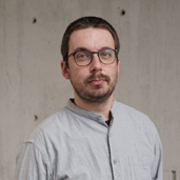
SEBÉ-PEDRÓS LAB
Genome Regulation |Single-Cell Biology | Evolutionary Genomics | Chromatin Biology |Phylogenetics | Transcription Factors
Our Research
We study the origin and evolution of cell type programs and associated genome regulation mechanisms: transcription factors, 3D chromatin architecture, histone modifications, and more. To this end, we combine single-cell genomics, chromatin profiling, and phylogenetic comparative methods in diverse animals and unicellular eukaryotes.
Who are we looking for?
We are looking for motivated candidates broadly interested in evolutionary biology, genome regulation, and comparative genomics.
VELTEN LAB
Computational Biology | Lineage Tracing | Population Cohorts | Ageing | Blood | Single-Cell Genomics | Multi-Omics | Technology Development | Stem Cells
Our Research
We offer 2 PhD positions.
PhD1: Single-cell lineage tracing at the scale of human populations. During ageing, some blood stem cell clones expand, increasing the risk of blood cancer and cardiovascular disease. You will use a novel, ultra-scalable single-cell lineage-tracing technology to test whether the functional properties of these clones predict disease risk better than somatic mutations.
or
PhD2: Causes of clonal expansions of blood stem cells. During ageing, blood stem cell clones expand, increasing the risk of blood cancer and cardiovascular disease, yet most expansions lack known driver mutations. You will develop new single-cell multi-omic and functional-genomic technologies to discover why these clones expand.
Who are we looking for?
PhD1: We seek a candidate with a strong background in computational biology, an interest in large population cohorts, and a good understanding of molecular biology.
PhD2: We seek a candidate with training in biotechnology, molecular biology or a related field, a strong wet-lab track record, and basic computational biology skills.

GEBAUER LAB
RNA-binding Proteins | mRNA Translation |Proteome | Poly(A) | Cancer
Our Research
The Gebauer lab studies how RNA-binding proteins (RBPs) control mRNA translation and impact cancer progression. We are interested in RBP regulatory networks, which mechanisms RBPs use to regulate translation, and how they can be harnessed for cancer treatment.
Who are we looking for?
We are looking for a highly motivated, creative and collaborative student with a degree in molecular biology, biochemistry, biotechnology or related disciplines willing to pursue ambitious projects. Prior experience in RNA-related research is desirable.
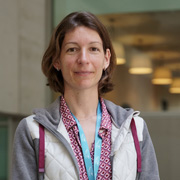
BAUD LAB
Social Genetic Effects | Host-Microbiome Interactions | Microbiome Transmission | Quantitative Genetics |Computational Biology
Our Research
Our lab investigates, at the scale of the population, how the genes of the individual, the genes of social partners and the genes of the gut microbiota influence complex traits and diseases. We use advanced statistical analyses of genomes, metagenomes and phenotypes to understand the complex biological and evolutionary interplay between the individual, the social partners and the microbiota.
Who are we looking for?
We are looking for candidates with a background in quantitative genetics (or another discipline with a strong emphasis on quantitative analyses of big data), good computational skills (programming in R or Python, high-performance computing), and ideally experience with workflow management systems (e.g. Nextflow).
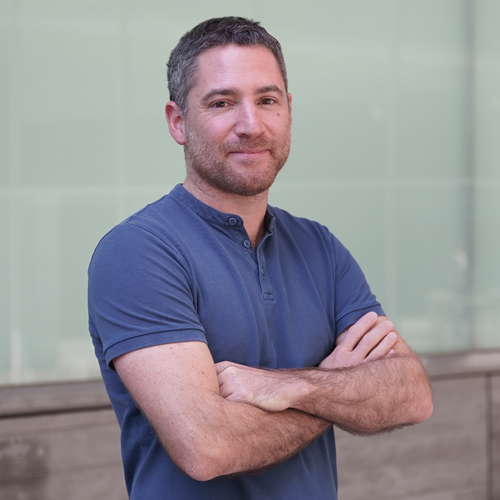
IRIMIA LAB
Single-Cell Genomics | Cell Type Evolution | Evo-Devo | Evolutionary Innovations | Microexons | Beta Cells | Type 2 Diabetes | Antisense Oligonucleotides | RNA Biology
Our Research
Our research is centered around cell type-specific transcriptomes. Using computational and experimental approaches, we investigate how these transcriptomes are generated (e.g. through microexon alternative splicing or fine transcriptional regulation) and how they contribute to human health, disease and evolution.
Who are we looking for?
We offer 2 PhD positions.
PhD1: We look for a computational biologist interested in genomics and the evolution of cell types and development processes.
PhD2 (MSCA position): We look for a wet lab biologist to work on the functions and regulation of alternative splicing of microexons in pancreatic beta cells, in healthy and diabetes contexts.

MARTÍ-RENOM LAB
3DGenomics | 4DNucleome | Epigenetics | Cancer | Structural Biology | Computational Biology | Molecular Biology
Our Research
How do the two meters of DNA in our genome fold inside a micron-sized nucleus? How does improper folding contribute to disease?
Who are we looking for?
If you have a keen interest in experimental and computational biology and want to answer questions like these, come and join us!
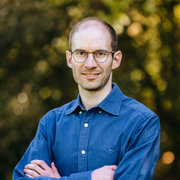
HÖPFLER LAB
Gene Regulation | Protein Synthesis | RNA Biology & Decay | Microtubules | In Vitro Reconstitution
Our Research
The “Dynamics of Protein Synthesis & RNA Decay” group, led by Markus Höpfler, investigates fundamental mechanisms of cellular protein and RNA homeostasis. A particular focus of the lab is the emerging phenomenon of peptide-mediated RNA decay, in which RNA degradation is triggered during translation by the ribosome.
Who are we looking for?
We offer 2 PhD positions. We are looking for curious and motivated students who are excited to uncover the molecular mechanisms controlling RNA stability during translation by the ribosome. Project 1 will combine biochemical reconstitution with approaches from cell and structural biology. Project 2 will develop and employ cutting-edge sequencing methods to unravel co-translational RNA decay substrates and mechanisms. A strong background in molecular biology and experience in one or more of these areas are advantageous, together with an enthusiasm for learning new techniques and working across disciplines.
DI CROCE LAB
Epigenetics |Chromatin | Polycomb | Cancer |Single-Cell Genomics |Therapeutic Vulnerabilities
Our Research
We investigate how chromatin and epigenetic mechanisms control cell identity and how their dysregulation drives cancer, particularly leukemia and pediatric brain tumors.
Who are we looking for?
We offer 2 PhD positions. We seek candidates with molecular/cell biology, genomics or computational backgrounds interested in mechanistic and multi-omic approaches to cancer.
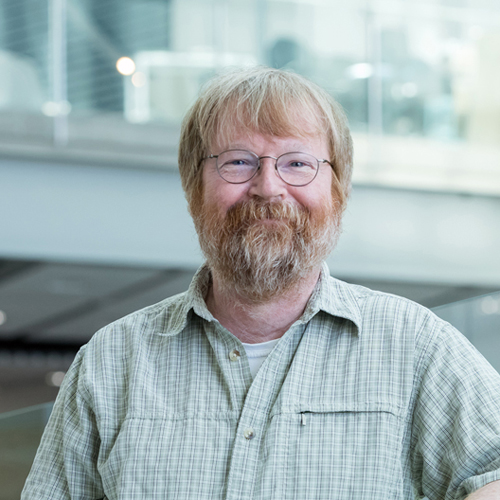
SURREY LAB
Self-Organization | Network Engineering | Crowding | Phase Separation | Cytoskeleton | Microtubules | Motor Proteins
Our Research
The Surrey lab studies the design principles of biological self-organization, focusing on the cytoskeleton. Their interdisciplinary research merges synthetic biology, biophysics, biochemistry, cell biology and mathematical modelling.
Who are we looking for?
We are looking for a candidate with master training in biochemistry, biophysics or bioengineering. A good fit for the project is someone who is keen to understand from a physical-chemical perspective how proteins organize the cell, make them move and divide.
VALCÁRCEL LAB
RNA Biology | Alternative splicing | Regulatory Networks | Deep Mutagenesis|RNA Therapeutics
Our Research
Our laboratories try to understand the molecular mechanisms that control alternative pre-mRNA splicing and their alterations in cancer. We aim to use this information to design novel therapeutic approaches, particularly in oncology. The project will be a collaboration between the groups of Ben Lehner and Juan Valcárcel.
Who are we looking for?
We look for a molecular biologist with deep interest in combining experimental and computational approaches to understand mechanisms of gene regulation and their alterations in cancer.
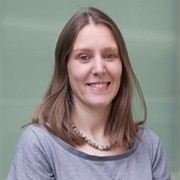
BEEKMAN LAB
Immune Cells | Epigenetics | Surface Proteins | Single-cell Screens | In Vitro Engineering
Our Research
Our lab focuses on the understanding of normal B-cell differentiation and lymphoma formation from the perspective of 3D chromatin organization, DNA methylation and single-cell heterogeneity in healthy and pre-malignant lymphocyte cell populations.
Who are we looking for?
Looking for experimental or computational PhD student to study epigenetic diversity in the immune system.
* The selected PhD student will begin their PhD project at another research institute in Barcelona.
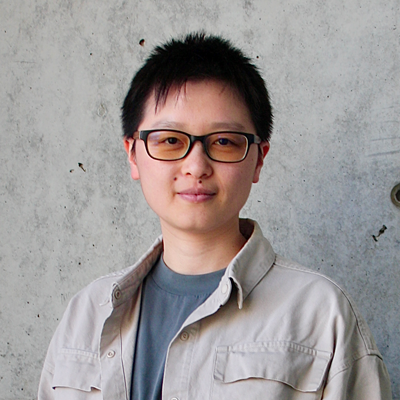
LIN LAB
Single-Cell Omics | Perturbation Screening | Human Stem Cell Models | Gene Regulation | Cell Engineering | Predictive Modeling
Our Research
Our lab decodes and engineers human cell fates using single-cell omics, perturbation screening, and human stem cell models.
Who are we looking for?
We seek a highly motivated PhD student with a quantitative background and a strong interest in generative modeling of human biology for cell engineering.
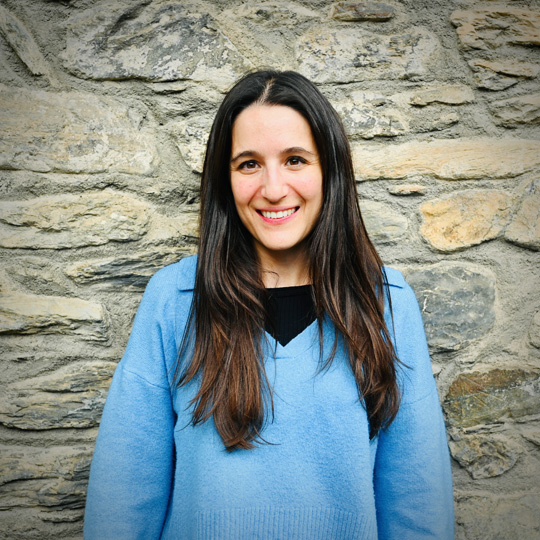
BENISTY Lab
Environmental DNA | Biodiversity Genomics | High-Mountain Lake Microbiomes | Cross-Species Codon Usage | Long-Read Sequencing
Our Research
Our group studies how isolated mountain lakes record environmental pressure in the DNA they shed, and how such biodiversity signals can be used to predict ecosystem states. Working across Pyrenean high-mountain lakes, thermal springs and airborne samples, we combine 1.) large-scale environmental DNA sampling and biobanking, 2.) long-read sequencing of metagenomes, and 3.) comparative genomic analyses, from community composition to codon usage.
Who are we looking for?
Join us if you are motivated to work on multidisciplinary research and with an international team ('PyriSentinel'). Candidates' projects span fieldwork and eDNA sampling, microbial ecology and bioinformatics handling of long-read sequencing datasets.
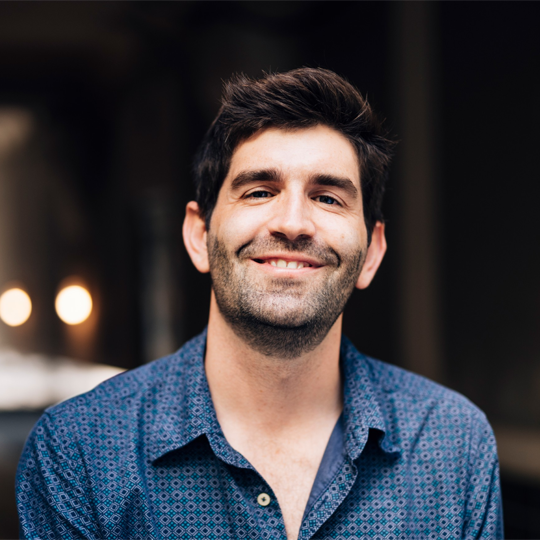
STAMMNITZ Lab
Biosensor Proteins | Chemical Biology | High-Throughput Protein Screening | Molecular Evolution | Computational Genomics
Our Research
Our group aims to 'decode' the molecular rules by which sensor proteins can monitor highly diverse and specific environmental chemicals. To this end, we combine 1.) large-scale mutagenesis and functional data generation, 2.) AI-enhanced evolutionary modeling and 3.) engineering of chemically inducible protein folds.
Who are we looking for?
We are looking for motivated candidates with broad interests across chemical biology, protein engineering, experimental and computational genomics.
DIERSSEN Lab
Neurodegeneration | Retrotransposons | In Vivo Validation | Down Syndrome | Long Intersperse Nucleotide Elements
Our Research
Our group is centered on understanding the neurobiology of learning and memory and how these processes are disrupted in brain disorders and neurodegenerative diseases. By integrating multi-omic approaches, gene editing, and in vivo causal testing, we aim to uncover the molecular cascades underlying the initiation and progression of neurodegeneration, with a particular focus on the role of retrotransposons.
Who are we looking for?
We are looking for a highly motivated researcher interested in neuroscience and genetic regulation with solid experience and expertise in either molecular biology or computational biology. Previous experience with animal models is preferable.
TABARA Lab
Mitochondria | mtDNA | Organelle Dynamics | Rare Diseases | Ageing
Our Research
As the main providers of cellular energy, mitochondria are essential for metabolism and sustaining life. Mitochondrial dysfunction is associated with multiple pathologies, ranging from devastating inherited disorders to common age-related diseases. To identify new therapeutic interventions, our lab studies the mechanisms regulating mitochondrial dynamics.
Who are we looking for?
We are looking for a motivated PhD candidate to investigate the molecular mechanisms underlying mitochondrial genome maintenance. Previous experience in mitochondrial biology would be a plus.
NOVOA Lab
Protein Mistranslation | tRNA Sequencing | Dark Proteome | Peptide Sequencing | Nanopore | AI-Modeling | tRNA Therapeutics |Sperm | Inheritance | DNA | RNA | Spermatogenesis | RNA Modifications | High-Fat Diet
Our Research
The Novoa lab studies RNA dynamics, with a strong focus on RNA modifications (’the epitranscriptome’). We use a combination of wet and dry methods, largely enabled by nanopore sequencing, to study how they change in development, stress and disease, including ribosome heterogeneity, cancer and inheritance across generations.
Who are we looking for?
We are seeking a highly motivated PhD student (ideally hybrid wet/dry) that is interested in one of the two following projects:
Project 1: We want to understand how much protein mistranslation (i.e., wrong proteome formation) occurs in healthy cells, how increased mistranslation can be beneficial for cells under certain conditions, and how mistranslation can lead to the formation of neoantigens that ultimately affect immune responses.
Project 2: We are interested in understanding how the sperm is formed and how it matures, to identify which molecular carriers are key to transmit environmental exposures to the next generation.
Eligibility criteria
Candidates should fulfill the following eligibility criteria at the time of the call deadline. If it becomes clear before, during, or after the evaluation phase that one or more of the eligibility criteria have not been fulfilled, the proposal will be declared ineligible and withdrawn from further examination.
- The call is open to candidates of any nationality.
- Candidates must have obtained a University Bachelor's Degree and a Master's Degree in biomedical sciences within the European Higher Education System (minimum 300 ECTS) or an equivalent University Degree that allows them to start a PhD thesis in Spain. Candidates who expect to be awarded with such a degree by September 2027 are eligible to apply.
- Candidates must have an excellent academic record, previous research experience, and a strong commitment to scientific research.
- Candidates must have a high working knowledge of English.
- Candidates invited to previous CRG PhD call interviews are not eligible.
- Candidates performing their Masters at the CRG are not eligible.
- Candidates may not have worked at the CRG for more than 3 months before the call deadline.
How to apply
- Applications must be submitted online - no applications by email will be considered.
- Candidates must register to use the online application system.
- The online application form requests all of the necessary information for the initial stages of the selection process (General information, education, academic transcripts, scholarships, prizes and awards, research experience, scientific interests and reference letters).
- If the academic transcripts are not in Catalan, Spanish or English applicants should also attach a translation in one of the above-mentioned languages.
- Two reference letters will be automatically requested from the referees proposed by the candidate through the online system.
- Applicants should select a maximum of 2 CRG labs in which they would like to start a PhD.
- Candidates must ensure that all information and documents are included before the deadline, including the reference letters. Incomplete proposals will not be considered.
Once the application is submitted, an acknowledgement of receipt will be automatically sent by e-mail to the applicant.
For any additional information, please check the FAQs HERE.
Selection process
The selection of the fellows will be based on the candidates' academic qualifications and research excellence.
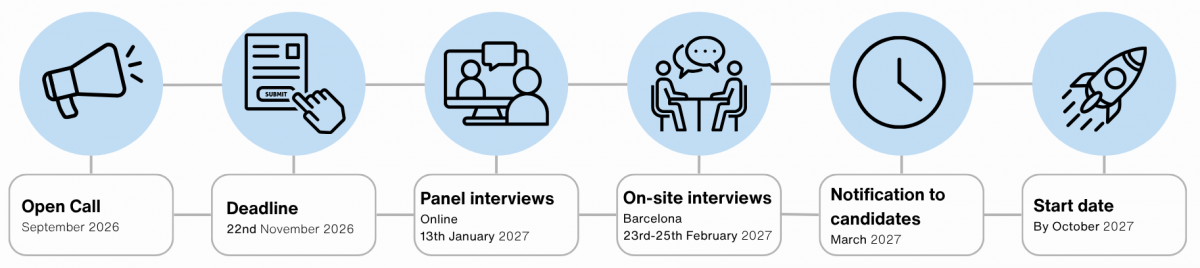
- Pre-selection: The pre-selection will be based on the candidate's application, reference letters, research interests, motivation, and fit to the selected labs. If the candidate is pre-selected, she/he will be invited to an online panel interview on the 13th January 2027. If successfully pass the panel interview, the candidate will be invited to Barcelona for the in-person interviews.
- Presential interviews: The interviews will take place from the 23rd to the 26th of February 2027 at the CRG in Barcelona. Accommodation and flight tickets will be provided. Please be aware that during all those days, interviews and presentations will take place. Full details regarding the interview process will be sent to the invited candidates.
- Notification to candidates: Offers will be made to the successful candidates shortly after the interview. Successful candidates would be expected to start the PhD no later than October 2027.
CRG PhD Call Timeline
Fellowships available
- Up to 5 fellowships funded by MICIU/AEI /10.13039/501100011033 and for FSE+
- The remaining positions are funded by individual labs through various sources, including ERC grants, CRG core funding, and other project-based support.
Workshops
We are organising two online events to discuss what to take into consideration when looking for a PhD position and how to prepare an outstanding application. These workshops will be delivered by the Training & Academic Office (TAO).
To participate in the event, registration is needed.
ONLINE WORKSHOP - Envision Your Research Future – Finding Your Fit: Labs, Research, and the PhD Application Journe
- Wednesday 21st October 2026 - 10am CET - REGISTRATION HERE
- Thursday 12th November 2026 - 11am CET - REGISTRATION HERE
Contact
For any additional information, please contact the CRG Training & Academic Office at: training@crg.eu